
UX / UI DESIGN
almacenes estuardo sánchez
A mobile app design for a Guatemalan retail chain with a loyalty, cashback, and credit experience for a CMS-driven app. Reframed a penalty-based tier system into a streak model that prioritized progress over loss.
THE GOAL
Design a mobile app unifying shopping, loyalty, and credit into a single, modern experience.
THE CHALLENGE
What began as a straightforward loyalty app quickly grew in scope. As new requirements emerged around complex cashback mechanics and credit engagement, the design had to balance motivating customers to shop more frequently while making financial features feel approachable rather than intimidating.
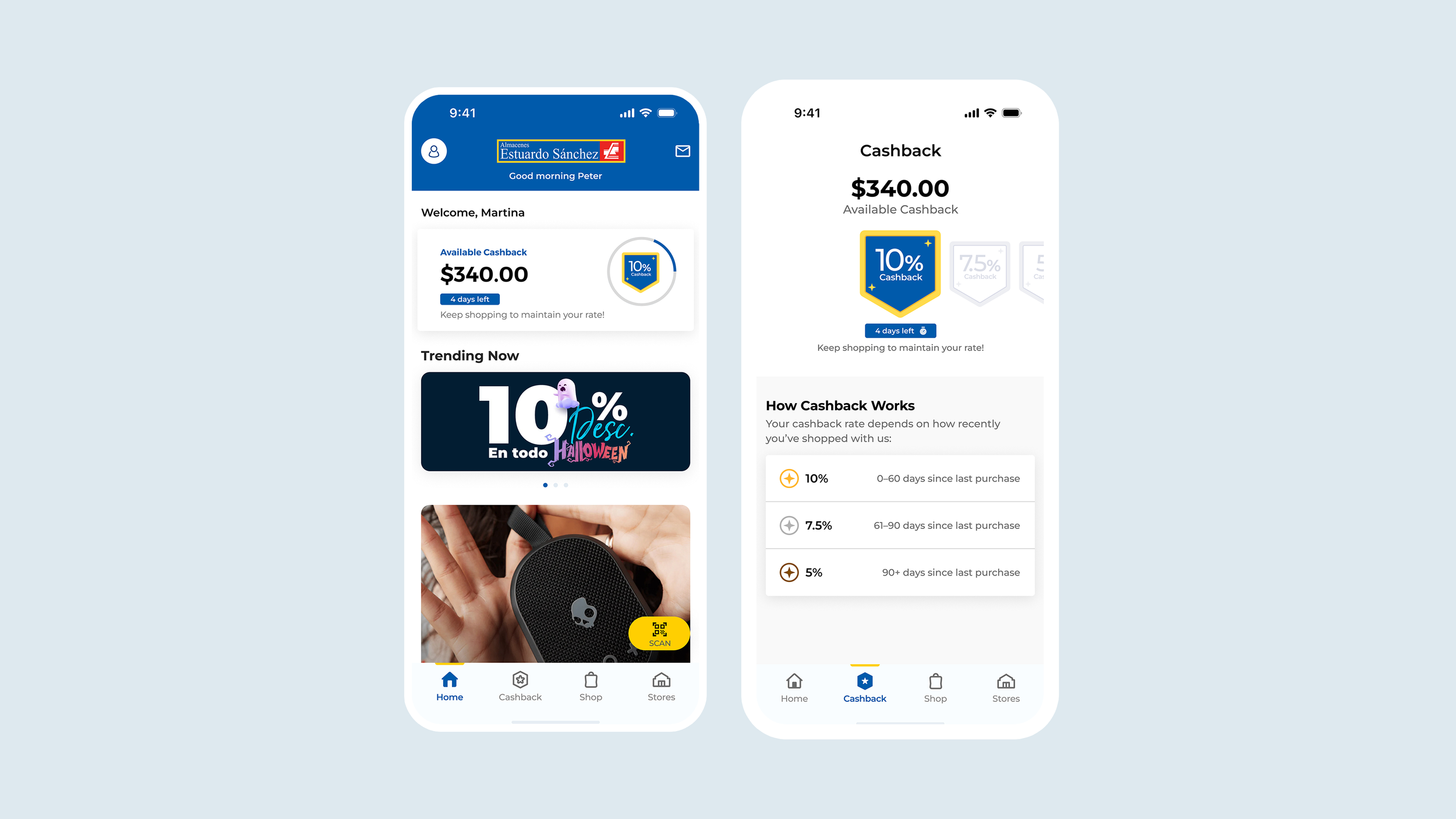
The first iteration using a countdown timer to display how the cashback program works on the home and loyalty screens.
CASHBACK PROGRAM
The cashback program's rules were simple in concept but required careful thought to communicate without creating anxiety. Users earn different cashback rates based on how recently they made a purchase:
10% cashback with a purchase in the last 60 days
7.5% cashback if 61–90 days have passed
5% cashback after 90 days
The first design direction used a countdown timer to show when a tier would drop. It was clear and easy to implement but emphasized loss, which felt stressful and transactional rather than rewarding.
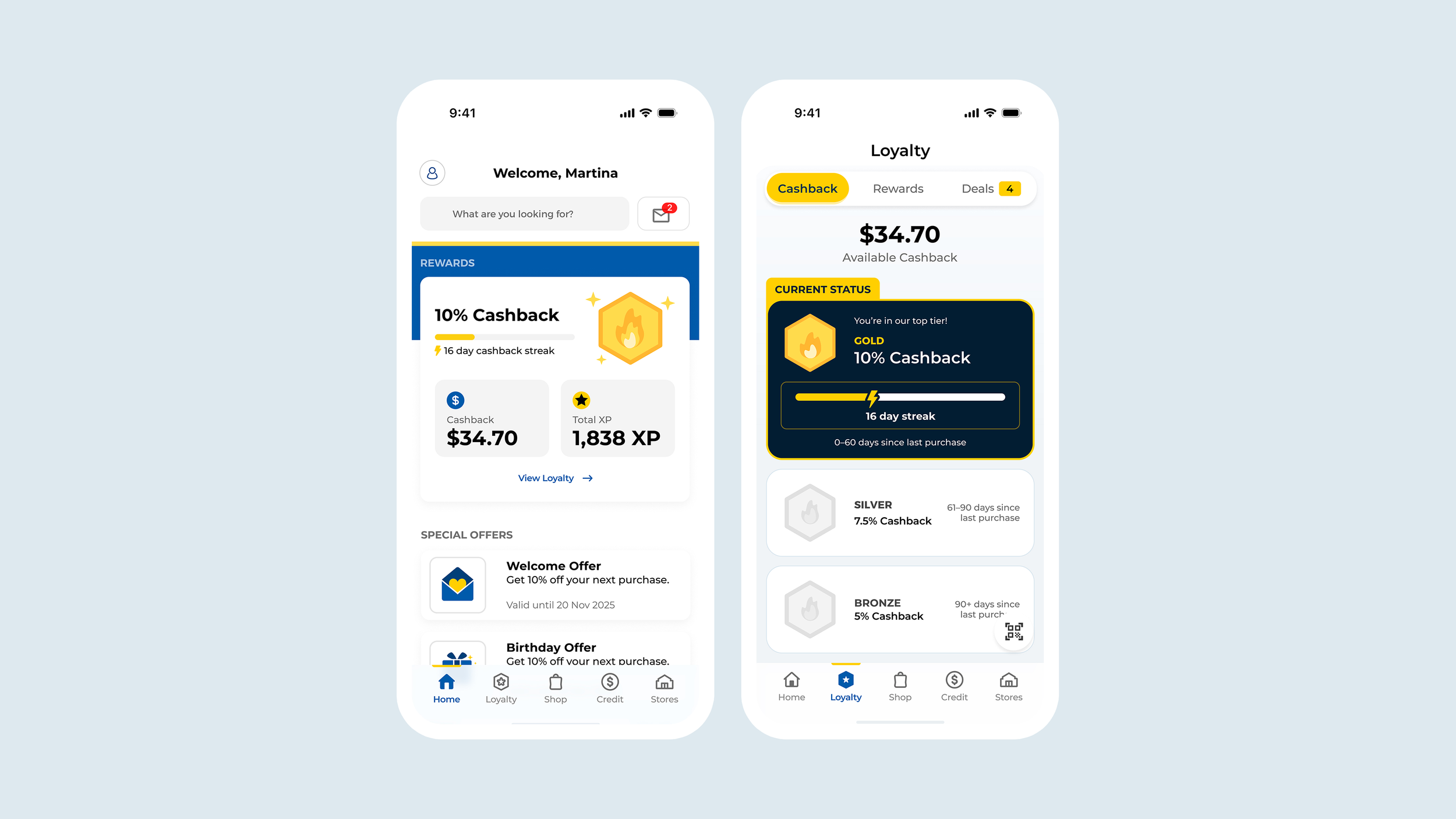
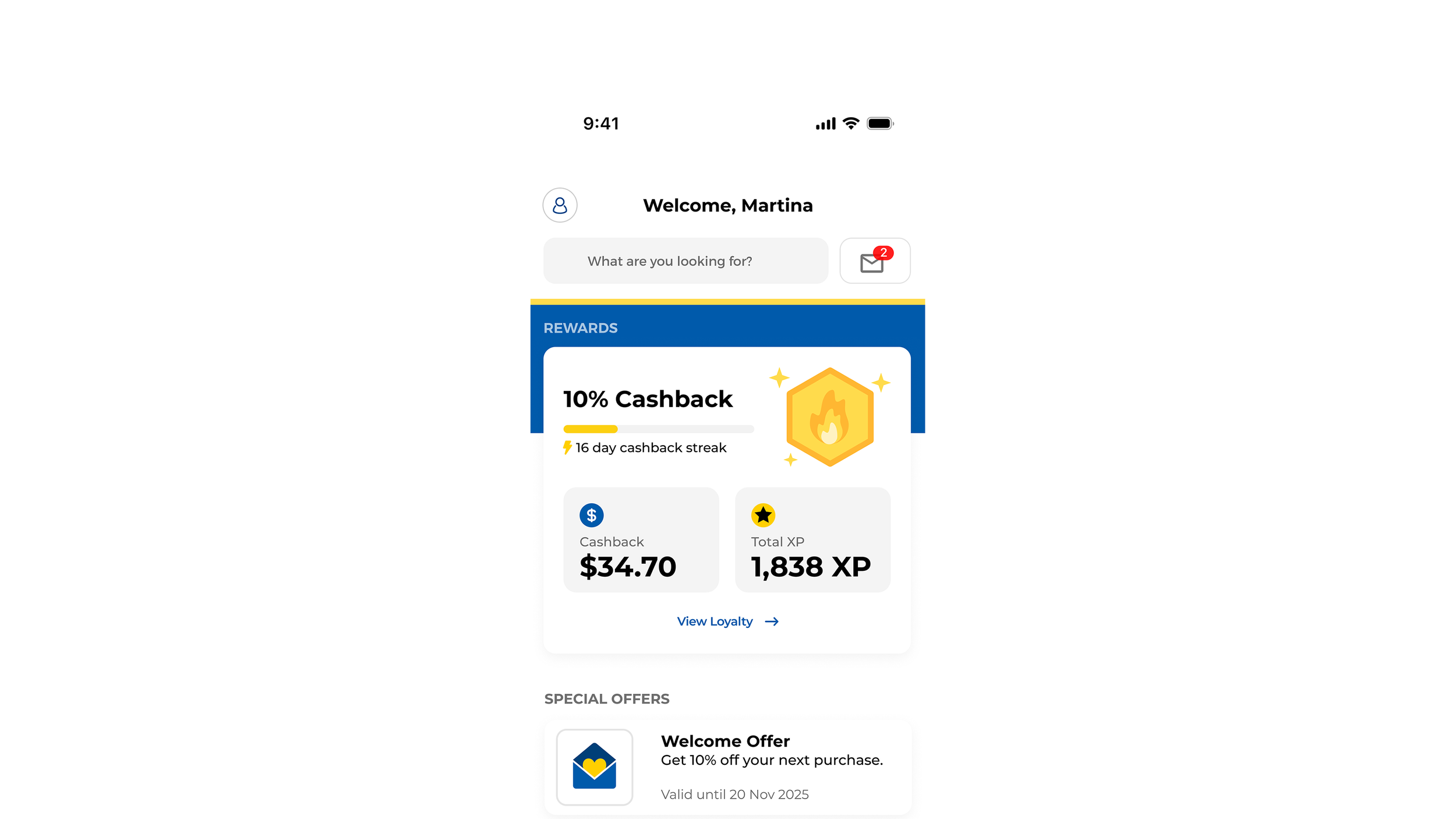
The streak model displaying the user’s current cashback status on the home and loyalty screens.
The final direction shifted toward positive reinforcement. Inspired by habit-forming products like Duolingo, the program was reframed around a streak model: a purchase refreshes the streak and locks in the highest cashback rate, while missing a threshold lowers it.
Progress and reward took priority over penalty and loss.
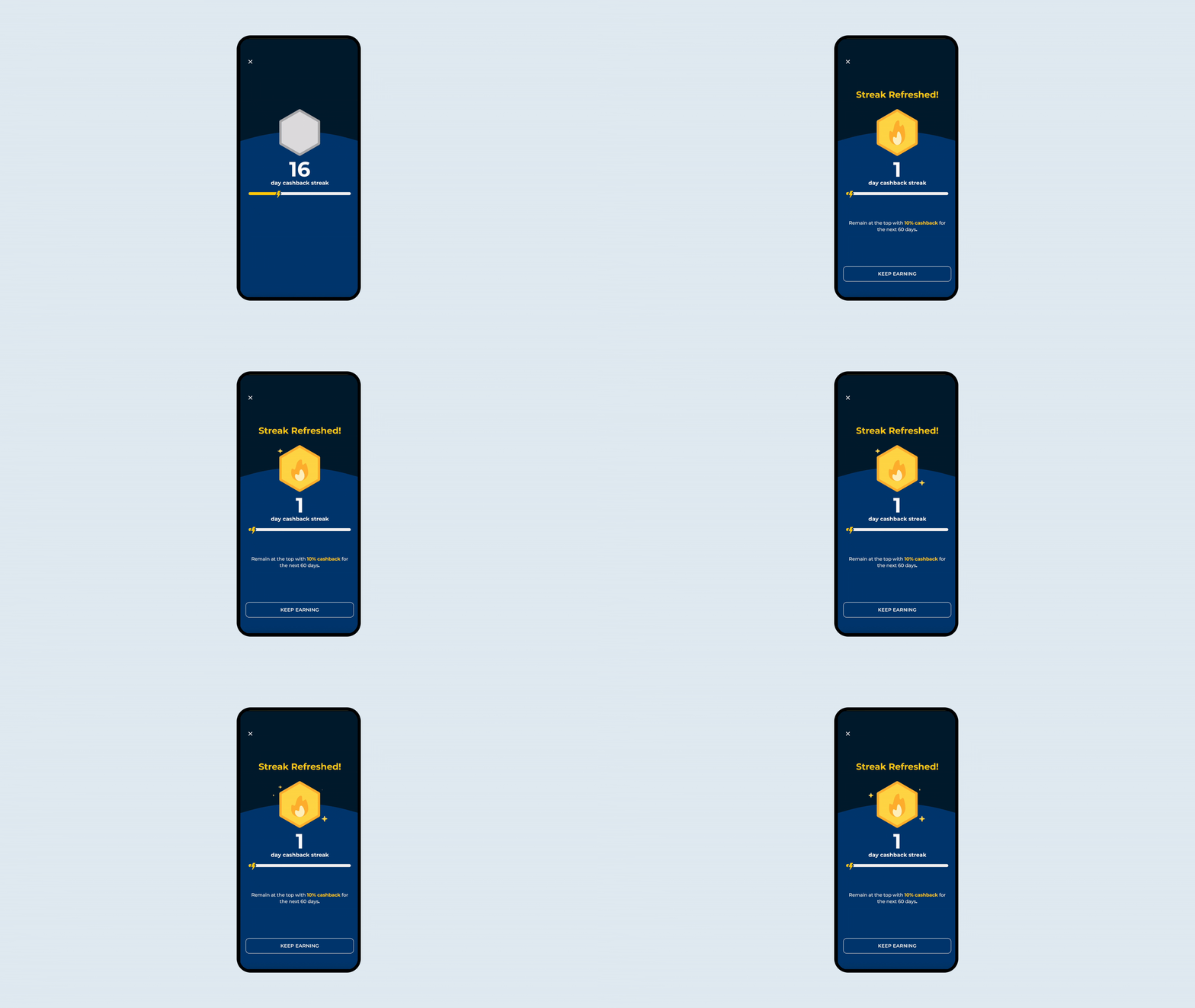
A screen animation refreshing the user’s cashback streak when a purchase is made.
To reinforce this, I designed two animated screens — a streak refresh after a purchase, and a tier drop — ensuring that even a negative event felt informative rather than punitive.
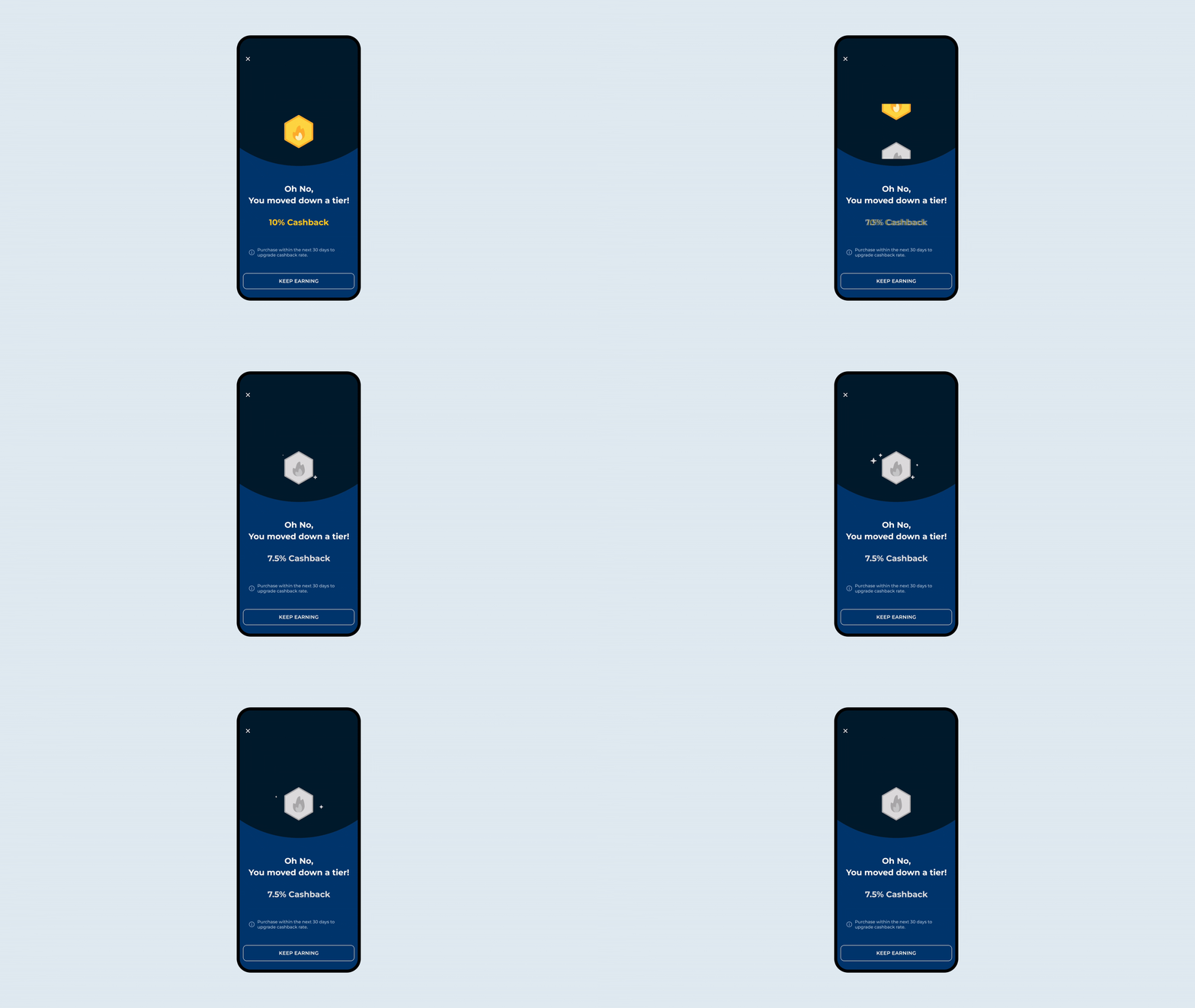
A screen animation when the user does not meet the rules of their current tier.
DIRECT CREDIT
AES offered direct credit functioning similarly to a private-label credit card, usable exclusively in their stores.
The design challenge was surfacing key credit information clearly while balancing two competing motivations: encouraging credit use and incentivizing on-time payments.
I borrowed familiar patterns from banking apps to reduce the learning curve, simplifying language and visuals to make credit feel manageable. This section went through multiple iterations as the client explored ways to make credit more engaging and incentive-driven. While the final approved direction evolved beyond my direct involvement, the core interaction patterns and structural approach originated from my early explorations.
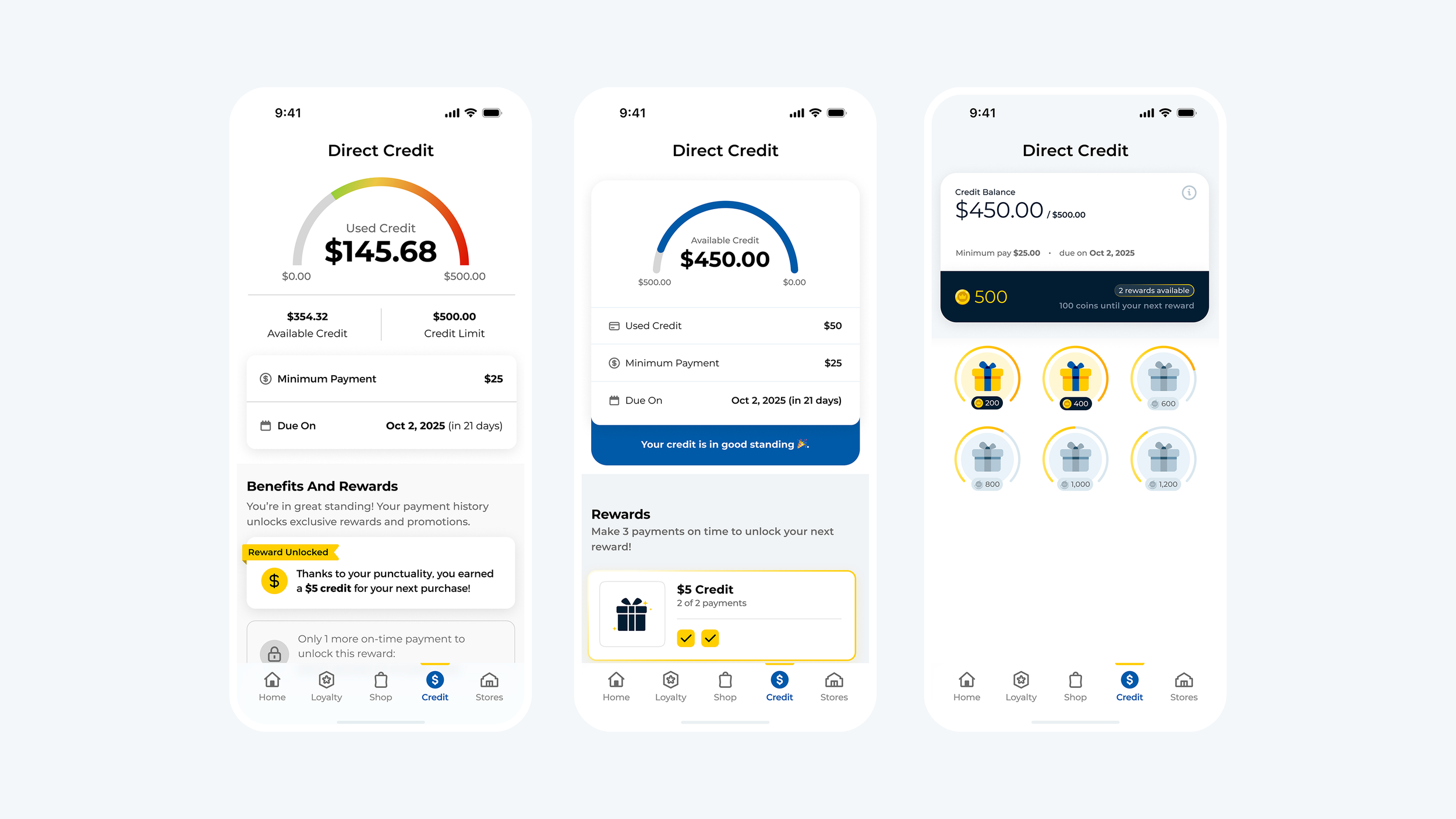
Early explorations for the direct credit screen utilizing familiar patterns from banking apps to display important financial information,

